
Orthodontic treatment has evolved dramatically over the past two decades. Patients no longer need to accept metal brackets and wires as the only path to straighter teeth. Invisalign has emerged as a clinically validated, technologically advanced solution that aligns teeth discreetly, comfortably, and predictably.
While clear aligners may appear simple, Invisalign is not merely a cosmetic trend. It represents a digitally engineered orthodontic system backed by biomechanical principles and extensive clinical research. For patients seeking effective tooth alignment without the visual and lifestyle burdens of traditional braces, Invisalign offers a compelling and scientifically sound alternative.
Understanding how Invisalign works, who qualifies, and what to expect from treatment is essential before making a decision. This comprehensive guide addresses the most important questions patients ask when considering Invisalign.
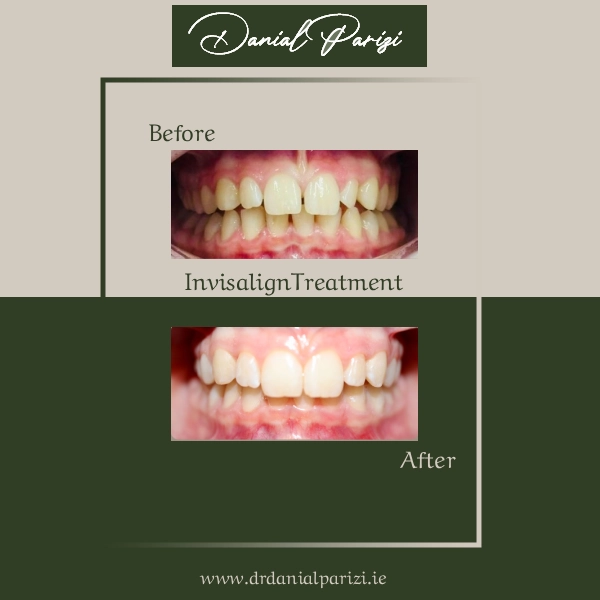
What is Invisalign and how does it work?
Invisalign is a clear aligner orthodontic system designed to gradually move teeth into their ideal position using a series of custom-made, removable plastic trays. Unlike traditional braces, which rely on fixed brackets and archwires, Invisalign aligners are fabricated from medical-grade thermoplastic material and fit snugly over the teeth.
The process begins with digital scanning technology. Instead of messy impression molds, a 3D intraoral scanner captures a precise image of the patient’s teeth. Advanced software then maps out a step-by-step tooth movement plan, allowing both the orthodontist and the patient to visualize projected results before treatment even begins.
Each set of Invisalign aligners is worn for approximately one to two weeks before being replaced by the next set in the series. Every new aligner is slightly adjusted to apply controlled pressure to specific teeth. Over time, these incremental forces shift teeth into improved alignment.
The effectiveness of Invisalign lies in controlled biomechanics. The aligners apply calibrated force in targeted directions, and in many cases, small tooth-colored attachments are temporarily bonded to teeth to enhance movement precision. This allows Invisalign to correct not only minor cosmetic issues but also more complex orthodontic conditions.
Patients are typically instructed to wear their aligners for 20 to 22 hours per day, removing them only for eating, drinking (except water), brushing, and flossing. Compliance is critical. Invisalign works best when worn as prescribed.
Uses of Invisalign aligners
There is a misconception that Invisalign is suitable only for mild cosmetic adjustments. That is outdated thinking. With technological advancements and improved material science, Invisalign can now address a broad range of orthodontic issues.
Common conditions treated with Invisalign include:
- Mild to moderate crowding
- Gaps between teeth
- Overbite
- Underbite
- Crossbite
- Open bite
- Relapse after previous orthodontic treatment
Invisalign is particularly appealing for adult patients who postponed orthodontic treatment earlier in life or experienced shifting teeth years after braces. It is also increasingly popular among teens, thanks to compliance indicators built into certain aligner models.
However, it is important to recognize limitations. Severe skeletal discrepancies or complex jaw alignment problems may still require traditional braces or surgical orthodontics. A thorough orthodontic evaluation determines whether Invisalign is appropriate.
The argument that clear aligners are “only cosmetic” does not withstand clinical scrutiny. When properly planned and supervised by a qualified orthodontist, Invisalign can deliver functional bite correction alongside aesthetic improvement.
Who is the best candidate?
The best candidate for Invisalign is not defined solely by age. Instead, candidacy depends on dental condition, oral health, and patient commitment.
Ideal candidates typically:
- Have mild to moderate orthodontic issues
- Maintain good oral hygiene
- Are free from untreated gum disease
- Are committed to wearing aligners as instructed
- Prefer a discreet orthodontic solution
Adults often make excellent candidates because they understand the responsibility required for successful treatment. Teenagers can also benefit, provided they demonstrate compliance.
Patients with active periodontal disease, extensive untreated cavities, or poor compliance habits may need to address those concerns before beginning Invisalign treatment.
It must also be emphasized that Invisalign is not a “self-directed” treatment. Mail-order aligner systems that operate without in-person supervision lack the clinical oversight necessary for safe and predictable outcomes. Orthodontic tooth movement affects bone, ligaments, and bite dynamics. Professional monitoring ensures both safety and success.
Invisalign advantages and disadvantages
Advantages
The most significant advantages of Invisalign include:
- Nearly invisible appearance
- Removability for eating and hygiene
- Greater comfort compared to metal braces
- Fewer emergency visits (no broken brackets or wires)
- Digital treatment planning with visualized outcomes
- Improved oral hygiene maintenance
Because aligners are removable, patients can brush and floss normally. This significantly reduces the risk of plaque buildup and enamel staining often associated with traditional braces. Additionally, Invisalign aligners are smooth and less likely to irritate cheeks and lips. The absence of metal components improves overall comfort.
Disadvantages
Despite its advantages, Invisalign has limitations:
- Requires strict compliance
- May not be ideal for severe orthodontic cases
- Can be more expensive than traditional braces
- Aligners must be removed before eating
- Minor speech adjustments may occur initially
The most critical factor is patient discipline. Unlike fixed braces, Invisalign can be removed at any time. If patients fail to wear aligners consistently, treatment results may be compromised. Therefore, Invisalign is highly effective—but only when used correctly.
Invisalign treatment
Invisalign treatment follows a structured and carefully monitored process. Although aligners are removable, the treatment itself is not casual or informal.
The journey begins with a consultation and digital scan. Based on the scan, a customized treatment plan is developed. Once aligners are fabricated, the patient receives several sets at a time and returns periodically for progress checks.
At follow-up appointments, the orthodontist evaluates tooth movement, ensures proper tracking, and makes adjustments if necessary. In some cases, refinements—additional aligners at the end of treatment—may be required to perfect the final outcome.
After completing active treatment, patients must wear retainers to prevent teeth from shifting back. Retention is not optional; it is a critical phase of orthodontic stability.
How long does the procedure take?
The duration of Invisalign treatment depends on the complexity of the case. On average:
- Mild cases: 6–9 months
- Moderate cases: 12–18 months
- More complex cases: Up to 24 months
Patients typically change aligners every one to two weeks. However, total treatment time is influenced by biological response, compliance, and case difficulty.
While some marketing campaigns promote rapid results, orthodontic tooth movement must respect biological limits. Attempting to accelerate movement beyond safe thresholds increases the risk of root damage and gum recession. A carefully paced Invisalign treatment delivers safer, more stable results.
Invisalign FAQ
Is Invisalign painful?
Invisalign is generally associated with mild discomfort rather than pain. Patients may feel pressure for a few days after switching to a new aligner, which indicates active tooth movement.
Can I eat with Invisalign?
No. Aligners must be removed before eating or drinking anything other than water. Eating with aligners in place can damage them and cause staining.
How many hours per day should Invisalign be worn?
For optimal results, Invisalign aligners should be worn 20 to 22 hours per day.
Is Invisalign suitable for teenagers?
Yes. Invisalign offers specialized systems designed specifically for teens, including compliance indicators to monitor wear time.
Does Invisalign affect speech?
Some patients notice a slight lisp during the first few days of treatment. This typically resolves as the tongue adapts.
How do I clean Invisalign aligners?
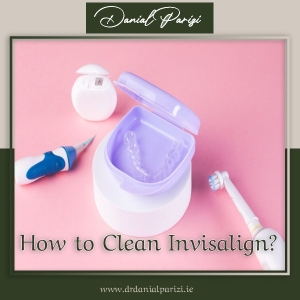
Aligners should be cleaned daily using a soft toothbrush and lukewarm water or specialized cleaning crystals. Hot water should be avoided, as it can warp the plastic.
Is Invisalign better than braces?
Neither treatment is universally “better.” Invisalign offers superior aesthetics and comfort, while traditional braces may be more effective for certain complex cases. The best option depends on individual diagnosis.