
A beautiful smile does not end with the placement of composite veneers. In many ways, the treatment is only the beginning. While composite veneers can dramatically improve the appearance of teeth by correcting discoloration, chips, minor misalignment, and shape irregularities, their long-term success depends heavily on proper maintenance. This is why Aftercare for Composite Veneers is one of the most important aspects of cosmetic dental treatment. Many patients mistakenly assume that composite veneers are maintenance-free because they are made from durable dental materials. In reality, composite resin requires ongoing care to preserve its appearance, prevent staining, and maximize longevity. Unlike natural enamel, composite materials can be more susceptible to discoloration, wear, and surface damage when exposed to unfavorable habits. The good news is that proper Composite Veneers Aftercare is straightforward. With consistent oral hygiene, routine dental visits, and a few lifestyle adjustments, patients can enjoy attractive and functional veneers for many years. This guide explains everything patients need to know about caring for composite veneers after treatment, including immediate aftercare, daily maintenance, dietary recommendations, and answers to frequently asked questions.
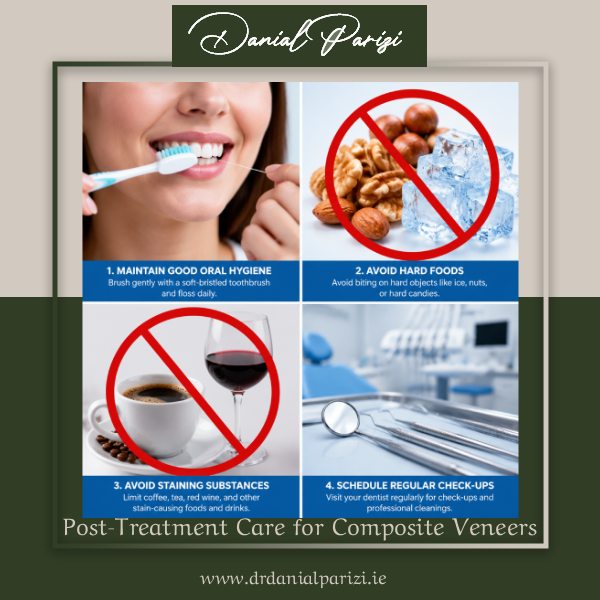
Why Is Aftercare Important for Composite Veneers?
Composite veneers are designed to improve aesthetics while preserving as much natural tooth structure as possible. However, unlike porcelain restorations, composite resin is slightly more porous and less resistant to staining over time. This does not mean composite veneers are inferior. Rather, it means that patients play a more active role in maintaining their appearance.
Proper Aftercare for Composite Veneers helps:
- Extend veneer lifespan
- Maintain brightness and color
- Prevent staining
- Reduce the risk of chipping
- Protect underlying teeth
- Improve overall oral health
- Minimize future repair costs
Patients who follow recommended aftercare guidelines often enjoy significantly longer-lasting results compared to those who neglect maintenance.
The First 48 Hours After Composite Veneers
The initial period following veneer placement is particularly important. Although composite resin is hardened during treatment, the newly polished surfaces can be more vulnerable to staining immediately after the procedure. During the first 24 to 48 hours, patients are often advised to avoid foods and beverages that can cause discoloration.
Common staining substances include:
- Coffee
- Tea
- Red wine
- Cola beverages
- Dark sauces
- Berries
- Tobacco products
Choosing lighter-colored foods during this period can help preserve the initial appearance of the veneers.
Good options include:
- Water
- Milk
- Rice
- Chicken
- Fish
- Yogurt
- Pasta with light sauces
While the restrictions are temporary, they provide valuable protection during the early adaptation phase.
Oral Hygiene After Composite Veneers
One of the most effective aspects of Composite Veneers Aftercare is maintaining excellent oral hygiene. Although veneers cover the front surfaces of teeth, the underlying tooth structure remains vulnerable to decay and gum disease. Therefore, daily cleaning remains essential.
Brushing
Patients should brush at least twice daily using:
- A soft-bristled toothbrush
- Non-abrasive toothpaste
- Gentle circular motions
Aggressive brushing can gradually dull the polished surface of composite veneers and contribute to premature wear.
Flossing
Flossing is equally important because plaque accumulation between teeth can lead to gum inflammation and decay around the veneer margins. Daily flossing helps:
- Remove food particles
- Prevent gum disease
- Maintain healthy supporting tissues
- Improve overall veneer longevity
Mouthwash
Alcohol-free mouthwashes are often preferred because they are gentler on restorative materials and oral tissues. Consistent oral hygiene remains one of the most important factors influencing long-term veneer success.
Foods and Drinks to Limit
One of the most common questions regarding Aftercare for Composite Veneers concerns dietary restrictions. The reality is that patients can enjoy most foods, but moderation is important when consuming highly pigmented substances. Foods and beverages that may contribute to staining include:
- Coffee
- Tea
- Red wine
- Dark sodas
- Soy sauce
- Curry
- Tomato-based sauces
- Balsamic vinegar
This does not mean complete avoidance is necessary. Instead, patients can reduce staining risks by:
- Drinking water afterward
- Using a straw when appropriate
- Brushing after meals
- Attending regular polishing appointments
Maintaining these habits helps preserve the natural appearance of composite veneers over time.
Habits That Can Damage Composite Veneers
While composite veneers are durable, they are not indestructible. Certain habits can increase the risk of fractures, chips, or premature wear. Patients should avoid:
- Biting fingernails
- Chewing ice
- Opening packages with teeth
- Biting pens or pencils
- Excessive consumption of hard candies
These behaviors create concentrated forces that may damage both natural teeth and composite restorations. Protecting veneers from unnecessary mechanical stress is a key component of successful aftercare.
Teeth Grinding and Composite Veneers
Bruxism, commonly known as teeth grinding or clenching, poses a significant risk to cosmetic dental restorations. Patients who grind their teeth may experience:
- Veneer chipping
- Surface wear
- Cracks
- Bite changes
If bruxism is present, dentists often recommend a custom night guard. A night guard provides several benefits:
- Protects veneers during sleep
- Reduces excessive pressure
- Preserves restoration integrity
- Minimizes wear on natural teeth
Ignoring nighttime grinding can substantially shorten the lifespan of composite veneers.
Smoking and Composite Veneers
Smoking remains one of the most significant threats to veneer aesthetics. Tobacco products contain substances that can stain composite resin and contribute to discoloration more quickly than they affect natural enamel. Additional concerns include:
- Increased plaque accumulation
- Gum disease risk
- Persistent staining
- Reduced aesthetic longevity
Patients seeking the longest-lasting cosmetic results should strongly consider reducing or eliminating tobacco use. Few lifestyle changes have as dramatic an impact on veneer appearance as smoking cessation.
Professional Maintenance and Dental Checkups
Routine dental visits are an essential part of Composite Veneers Aftercare. Even when veneers appear healthy, regular professional evaluations allow dentists to detect minor issues before they become major problems. Dental appointments typically include:
- Oral examination
- Veneer assessment
- Professional cleaning
- Surface polishing
- Bite evaluation
Professional polishing can help restore shine and remove superficial stains that accumulate over time. Most patients benefit from dental checkups every six months, although some individuals may require more frequent visits.
How Long Do Composite Veneers Last?
Longevity is influenced by both material quality and patient behavior. On average, composite veneers may last between five and seven years, although many remain functional for considerably longer with proper care. Factors that affect lifespan include:
- Oral hygiene habits
- Dietary choices
- Smoking status
- Teeth grinding
- Quality of placement
- Regular dental maintenance
The argument that composite veneers are short-lived often overlooks the importance of aftercare. Patients who actively maintain their restorations frequently achieve results that exceed average expectations.
Signs Your Composite Veneers May Need Attention
Although composite veneers are durable, they should be monitored for changes over time. Patients should contact their dentist if they notice:
- Chipping
- Cracking
- Rough surfaces
- Staining
- Sensitivity
- Bite discomfort
- Loose restorations
Early intervention often allows for simple repairs rather than complete replacement. Regular monitoring helps preserve both aesthetics and function.
Common Mistakes Patients Make After Composite Veneers
Several preventable mistakes can compromise veneer longevity. Common errors include:
- Skipping dental appointments
- Using abrasive whitening toothpaste
- Ignoring nighttime grinding
- Excessive coffee consumption
- Smoking
- Chewing hard objects
- Neglecting flossing
Fortunately, these issues can often be corrected through patient education and consistent maintenance. Understanding what not to do is just as important as understanding proper care techniques.
Post-Treatment Care for Composite Veneers FAQ
How long should I avoid coffee after composite veneers?
Most dentists recommend avoiding coffee and other staining beverages for at least 24 to 48 hours following treatment.
Can I brush my teeth normally after getting composite veneers?
Yes. Regular brushing is encouraged, provided a soft-bristled toothbrush and non-abrasive toothpaste are used.
Do composite veneers stain over time?
Yes. Composite resin is more susceptible to staining than porcelain, but proper maintenance can significantly reduce discoloration.
Can composite veneers be whitened?
No. Whitening products do not lighten composite resin. If staining becomes significant, professional polishing or replacement may be required.
Is flossing safe with composite veneers?
Absolutely. Daily flossing is essential for maintaining gum health and protecting the underlying teeth.
Can I eat normally after composite veneers?
Yes. Most foods can be enjoyed normally, although extremely hard foods should be approached with caution.
Do I need a night guard after getting composite veneers?
Patients who grind or clench their teeth often benefit from a custom night guard to protect their veneers.
How often should composite veneers be checked?
Most patients should have veneers evaluated during routine dental examinations every six months.
Can smoking damage composite veneers?
Yes. Smoking significantly increases the risk of staining and can negatively affect overall oral health.
What should I do if a veneer chips?
Contact your dentist as soon as possible. Small chips can often be repaired quickly and conservatively.