
A healthy smile plays a vital role in both oral health and self confidence. However, teeth can become damaged due to decay, fractures, large fillings, or wear over time. In many of these situations, dentists recommend dental crowns as an effective and long lasting restorative treatment. Dental crowns not only protect weakened teeth but also restore their natural shape, strength, and appearance. This comprehensive guide explains what dental crowns are, when they are needed, the types available, and what patients can expect from the procedure.
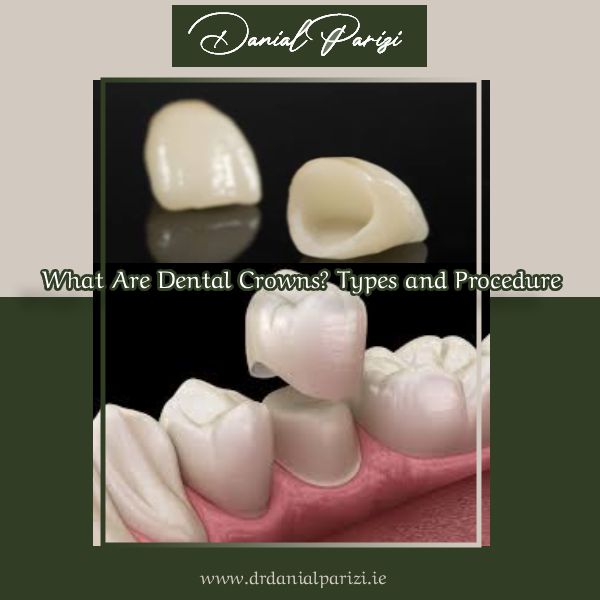
What Is a Dental Crown?
A dental crown is a custom made cap placed over a damaged or weakened tooth. It completely covers the visible portion of the tooth above the gum line, restoring its size, shape, strength, and function.
Crowns are designed to mimic the natural appearance of teeth while providing durable protection. Modern dental materials allow crowns to blend seamlessly with surrounding teeth, making them both functional and aesthetically pleasing. Dentists commonly use crowns as part of restorative, cosmetic, and implant dentistry treatments.
When Is a Dental Crown Needed?
Dental crowns are recommended when a tooth is too damaged to be repaired with a simple filling but can still be preserved. Some common reasons for needing a dental crown include:
- Severely decayed teeth that have lost significant structure
- Cracked or fractured teeth that require reinforcement
- Teeth after root canal treatment, which often become more fragile
- Large fillings where little natural tooth remains
- Dental implants, where the crown acts as the visible replacement tooth
- Cosmetic improvements for misshaped or severely discolored teeth
- Dental bridges, where crowns anchor the bridge to adjacent teeth
By covering and protecting the tooth, crowns help prevent further damage while restoring normal chewing function.
Types of Dental Crowns
Modern dentistry offers several types of crowns, each with unique advantages depending on the patient’s needs.
1. Porcelain or Ceramic Crowns
Porcelain and ceramic crowns are highly popular due to their natural appearance. They closely resemble the color and translucency of real teeth, making them ideal for front teeth restoration. Advantages include:
- Excellent aesthetics
- Metal free material
- Biocompatibility with gum tissue
2. Porcelain-Fused-to-Metal (PFM) Crowns
PFM crowns combine a metal base with a porcelain exterior. This structure offers both durability and a natural look. Benefits include:
- Strong and long lasting
- Suitable for both front and back teeth
- Better durability than all ceramic crowns in some cases
3. Zirconia Crowns
Zirconia crowns are among the strongest modern dental restorations. Made from zirconium dioxide, they provide both strength and aesthetics. Advantages include:
- Extremely durable
- Resistant to fracture
- Natural appearance
- Suitable for high chewing pressure areas
4. Metal Crowns
Metal crowns are made from gold or other metal alloys. Although less commonly used today for visible teeth, they are extremely durable. Benefits include:
- Long lifespan
- Minimal wear on opposing teeth
- Require less removal of natural tooth structure
5. Same-Day CAD/CAM Crowns
Advances in dental technology allow some clinics to provide same day crowns using CAD/CAM systems. Digital impressions and on-site milling machines can design and fabricate crowns in a single appointment.
The Dental Crown Procedure
Getting a dental crown typically involves two appointments, although same day crowns may require only one.
Step 1: Examination and Tooth Preparation
The dentist first examines the tooth using clinical evaluation and X rays to determine whether a dental crown is the best solution. If necessary, the dentist will:
- Remove decay
- Treat infection
- Perform a root canal if required
Next, the tooth is reshaped so the crown can fit securely.
Step 2: Dental Impressions
After shaping the tooth, the dentist takes impressions of the tooth and surrounding teeth. These impressions are sent to a dental laboratory where the custom crown is fabricated. A temporary crown is usually placed to protect the tooth while the permanent crown is being made.
Step 3: Crown Placement
During the second visit, the dentist removes the temporary crown and checks the fit, color, and bite of the permanent crown. Once everything fits correctly, the crown is permanently cemented onto the tooth. The result is a fully restored tooth that looks and functions naturally.
Benefits of Dental Crowns
Dental crowns offer several important benefits for both oral health and aesthetics.
- Strength and Protection: Crowns reinforce weakened teeth and prevent further fractures or damage.
- Improved Function: They restore proper chewing ability and help maintain normal bite alignment.
- Natural Appearance: Modern crowns are designed to match the shape and color of natural teeth, making them virtually unnoticeable.
- Long-Term Durability: With proper care, dental crowns can last 10 to 15 years or longer.
- Versatile Treatment: Crowns are used in many dental treatments, including implants, bridges, and cosmetic restorations.
How Long Do Dental Crowns Last?
The lifespan of a dental crown depends on several factors:
- Oral hygiene habits
- The material used
- Biting forces and grinding habits
- Regular dental checkups
On average, dental crowns last 10–15 years, but many can last 20 years or more with proper care.
Note: Patients who grind their teeth may benefit from wearing a night guard to protect the crown.
Caring for a Dental Crown
Maintaining a dental crown is similar to caring for natural teeth. Good oral hygiene helps extend its lifespan and prevents surrounding tooth decay. Recommended care tips include:
- Brush teeth twice daily with fluoride toothpaste
- Floss daily to remove plaque around the crown
- Avoid chewing very hard foods like ice or hard candies
- Attend regular dental checkups and cleanings
- Wear a night guard if you grind your teeth
Even though the crown itself cannot decay, the underlying tooth structure can still develop cavities if oral hygiene is poor.
Are Dental Crowns Safe?
Dental crowns are considered safe and widely used dental restorations. Materials used in crowns are biocompatible and carefully designed for long-term use in the mouth.
Dentists carefully evaluate each patient’s condition to ensure the treatment is appropriate and beneficial. Modern dental technologies and materials have significantly improved the safety, durability, and appearance of crowns.
Dental Crowns and Cosmetic Dentistry
In addition to restorative purposes, crowns can play an important role in cosmetic smile enhancement. They can improve the appearance of teeth that are:
- Severely discolored
- Misshapen
- Uneven
- Worn down
In smile makeover treatments, crowns may be combined with veneers, whitening, or orthodontics to achieve optimal results.
Frequently Asked Questions (FAQ)
1. Is getting a dental crown painful?
No. The dental crown procedure is typically performed under local anesthesia, so patients should not feel pain during the treatment. Mild sensitivity may occur afterward but usually resolves quickly.
2. How long does it take to get a dental crown?
Traditional crowns usually require two dental visits over 1–2 weeks. However, some clinics offer same day crowns using digital CAD/CAM technology.
3. Can a dental crown fall off?
Although uncommon, crowns can loosen or fall off due to wear, decay under the crown, or strong biting forces. If this happens, patients should contact their dentist as soon as possible.
4. Are dental crowns noticeable?
Modern crowns are designed to match the color, shape, and size of natural teeth. High quality porcelain or ceramic crowns are often indistinguishable from natural teeth.
5. Can a crowned tooth still get cavities?
Yes. While the crown itself cannot decay, the natural tooth underneath can develop cavities if plaque accumulates around the crown margin.
6. How do I know if I need a dental crown?
A dentist may recommend a crown if a tooth is severely damaged, weakened after root canal treatment, or unable to be restored with a filling. A professional dental examination is necessary to determine the best treatment option.