
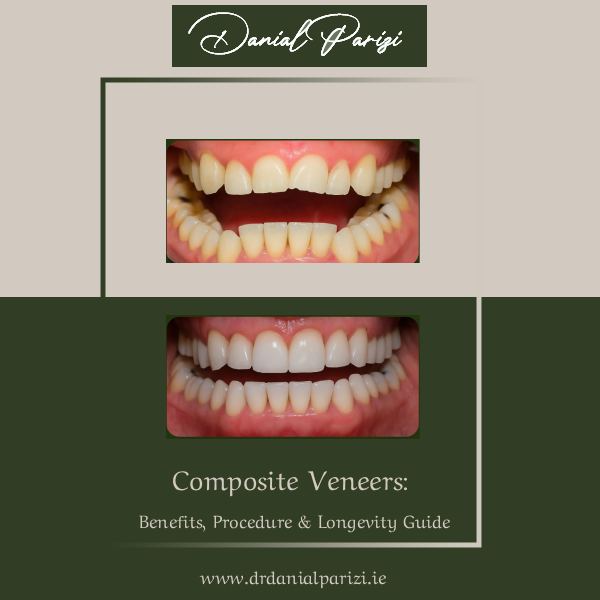
A bright, harmonious smile can have a profound effect on confidence, self-image, and overall social interaction. For patients seeking a cosmetic solution that balances aesthetics, functionality, and minimal invasiveness, composite veneers have become a popular choice in modern dentistry. Unlike traditional porcelain veneers, composite veneers offer a versatile, cost-effective, and relatively quick solution for correcting minor dental imperfections, including discoloration, chips, gaps, and slight misalignments.
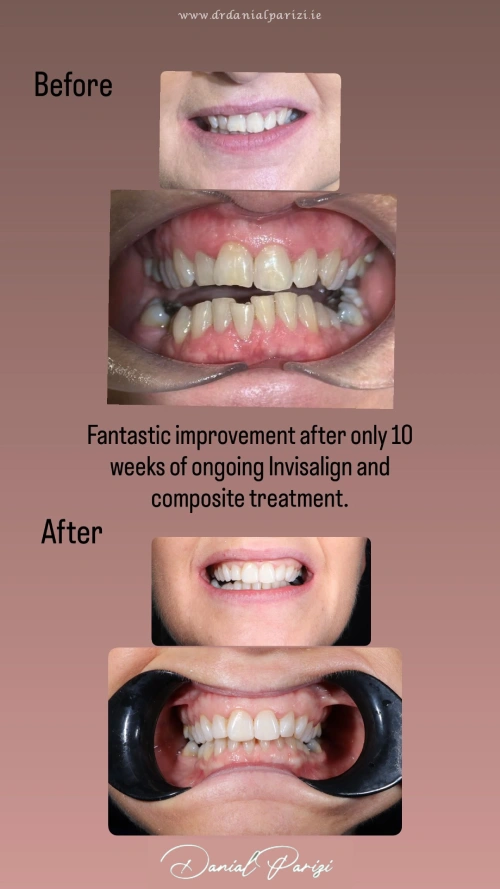
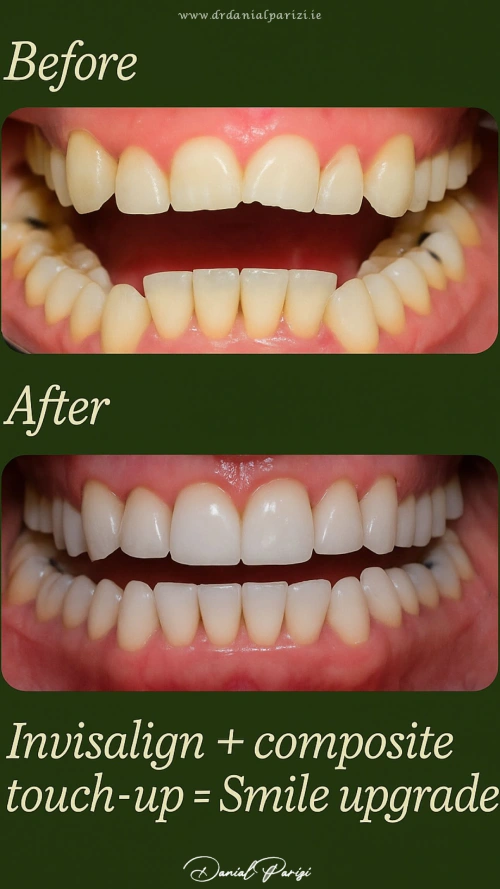
The appeal of composite veneers lies in their combination of cosmetic refinement and conservation of natural tooth structure. Dental professionals increasingly recommend them for patients who want significant aesthetic improvement without the invasiveness, time commitment, or cost associated with more extensive restorative procedures. However, as with any dental treatment, understanding the benefits, limitations, and procedural details is essential to making an informed decision.
What are composite veneers?
Composite veneers are thin layers of tooth-colored resin material that are applied to the front surface of teeth to enhance appearance. Made from high-quality dental composite resin, these veneers are designed to mimic the natural translucency, color, and texture of enamel. They are custom-shaped and bonded directly onto the patient’s teeth, creating a seamless, natural-looking smile.
Structurally, composite veneers are a conservative cosmetic solution. Unlike crowns, which require significant reduction of the underlying tooth, composite veneers typically involve minimal or no removal of healthy enamel. This allows the natural tooth to remain largely intact while still providing dramatic cosmetic improvement. The versatility of composite resin also enables dentists to address a wide range of concerns, from minor chips and discolorations to small gaps or irregular tooth shapes.
Composite veneers are often applied directly in the dental office in a process called direct bonding, though they can also be fabricated in a laboratory and bonded later. Direct application offers immediate results, making it an attractive option for patients seeking a quick smile makeover.
Composite veneers pros and cons
Like any dental treatment, composite veneers come with both advantages and limitations. Understanding these factors is essential for patients considering this cosmetic solution.
Pros:
- Minimally invasive: Requires little to no removal of healthy enamel.
- Cost-effective: Generally, less expensive than porcelain veneers.
- Quick results: Can often be completed in a single appointment.
- Reversible: Typically, easier to repair or adjust than permanent porcelain veneers.
- Aesthetic flexibility: Resin can be layered and sculpted for a natural appearance.
- Less aggressive preparation: Reduces the risk of tooth sensitivity associated with more invasive procedures.
Cons:
- Durability: Less resistant to wear, chips, and staining compared to porcelain.
- Maintenance: May require periodic polishing or replacement over time.
- Color stability: More susceptible to discoloration from coffee, tea, smoking, and other staining agents.
- Limited longevity: Typically lasts 5–7 years, depending on oral habits and maintenance.
- Not suitable for severe cases: Less effective for major misalignments or significant structural damage.
By weighing these pros and cons, patients can determine whether composite veneers are the right solution for their aesthetic goals and lifestyle.
Who can get composite veneers?
Composite veneers are suitable for a wide range of patients, but candidacy depends on oral health, cosmetic goals, and functional considerations. Ideal candidates include:
- Individuals with minor discoloration that cannot be corrected with whitening treatments.
- Patients with small chips, cracks, or worn edges on their front teeth.
- People seeking to close small gaps between teeth without orthodontic intervention.
- Those looking for quick, reversible cosmetic improvements.
- Patients with healthy teeth and gums, free of untreated cavities or significant structural damage.
However, composite veneers may not be ideal for patients with severe misalignments, large restorations, or habits such as teeth grinding (bruxism), which can compromise the longevity of the veneer. Dentists will typically conduct a comprehensive examination, including X-rays and bite analysis, to ensure that composite veneers are both appropriate and likely to deliver long-lasting results.
Procedure
The procedure for composite veneers is designed to be minimally invasive and patient-friendly. While variations exist depending on the dentist’s approach, the general steps include:
- Consultation and assessment: The dentist evaluates oral health, discusses cosmetic goals, and develops a treatment plan. Shade selection is made to match natural teeth or achieve the desired brightness.
- Tooth preparation: In most cases, little to no enamel removal is necessary. The tooth surface is cleaned, lightly etched, and prepared to ensure optimal bonding.
- Application of composite resin: The dentist layers and sculpts the resin directly onto the tooth, using tools to shape it precisely.
- Curing: Each layer of composite resin is hardened using a special light, ensuring durability and a natural finish.
- Polishing and finishing: The veneer is smoothed, polished, and adjusted for proper bite alignment and aesthetics.
Direct composite veneers can often be completed in a single appointment, making them convenient for patients with busy schedules. In contrast, lab-fabricated composite veneers may require two visits but allow for slightly greater precision and custom shaping.
FAQ
How long do composite veneers last? |
|---|
| Composite veneers typically last 5–7 years with proper care, though some can last longer with excellent oral hygiene and avoidance of habits that stress the teeth, such as nail-biting or ice chewing. |
Do composite veneers damage teeth? |
| No, when applied correctly, composite veneers do not damage the underlying tooth structure. Minimal enamel removal ensures the tooth remains healthy, and the procedure is considered reversible or repairable in most cases. |
Can composite veneers be removed? |
| Yes, composite veneers can often be removed or replaced without significant damage to the natural tooth, unlike porcelain veneers which may require permanent enamel removal. |
Are composite veneers permanent? |
| Composite veneers are not permanent. They are a long-term cosmetic solution, but over time, they may need maintenance, touch-ups, or replacement due to wear, chipping, or discoloration. |
Do composite veneers stain? |
| Composite veneers are more prone to staining than porcelain. Substances such as coffee, tea, red wine, and tobacco can discolor the resin over time, though regular polishing and careful oral hygiene can minimize this effect. |
Do composite veneers cause bad breath? |
| When properly applied and maintained, composite veneers do not cause bad breath. Poor oral hygiene, plaque buildup, or improper cleaning around the veneers can contribute to halitosis, so consistent brushing, flossing, and dental checkups are essential. |
Do composite veneers require shaving teeth? |
| Typically, little to no tooth shaving is required. Composite veneers are designed to be conservative, preserving the natural tooth while improving aesthetics. Minor surface adjustments may be made to ensure proper fit and bonding. |