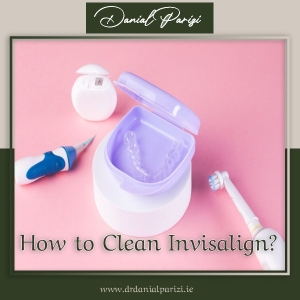

Invisalign has transformed orthodontic treatment by offering a discreet and comfortable alternative to traditional braces. These clear aligners are designed to gradually move teeth into the correct position while allowing patients to maintain a more natural appearance throughout treatment. However, achieving successful results with Invisalign requires more than simply wearing the aligners as instructed. Proper hygiene and maintenance are essential, which is why learning how to clean Invisalign correctly plays a major role in both oral health and treatment success. Unlike fixed braces, Invisalign aligners are removable, which makes brushing and flossing easier. However, because the aligners sit directly against the teeth for most of the day, bacteria, saliva, food particles, and plaque can accumulate on their surface if they are not cleaned properly. Poor aligner hygiene may lead to unpleasant odors, discoloration, bacterial buildup, and even an increased risk of dental problems. The good news is that Invisalign cleaning is simple when patients follow the right routine. With consistent care, aligners can remain clear, comfortable, and effective throughout orthodontic treatment. This guide explains the best methods to clean Invisalign, mistakes to avoid, daily maintenance tips, and answers to frequently asked questions about Invisalign hygiene.
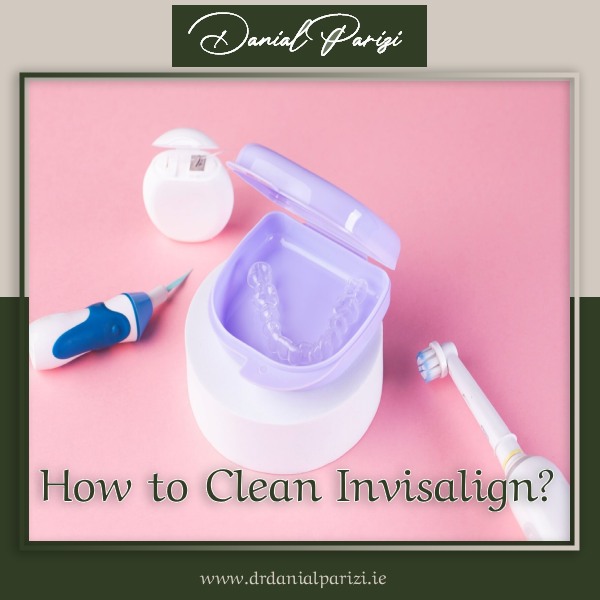
Why Is It Important to Clean Invisalign?
Many patients focus primarily on wearing their Invisalign aligners for the recommended hours but underestimate the importance of cleaning them. Since aligners are placed directly over teeth, their cleanliness directly affects the condition of the mouth. When Invisalign trays are not cleaned regularly, bacteria can multiply inside the aligner. This creates an environment where microorganisms remain trapped against the teeth and gums for extended periods. Proper Invisalign cleaning helps:
- Prevent unpleasant smells
- Maintain the transparent appearance of aligners
- Reduce bacterial buildup
- Protect gum health
- Lower the risk of cavities
- Improve overall treatment comfort
- Ensure aligners function correctly
A dirty aligner does not simply look unattractive. It may also interfere with oral hygiene and reduce the overall quality of the orthodontic experience.
How to Clean Invisalign Daily?
Daily cleaning is the foundation of proper Invisalign care. Because aligners are worn for approximately 20 to 22 hours per day, they require regular attention to prevent buildup. The best daily routine involves cleaning the aligners whenever they are removed. A simple Invisalign cleaning routine includes:
Rinse the Aligners
Whenever aligners are removed, rinse them with lukewarm water. This helps remove Saliva, Loose particles and Surface bacteria
Avoid using hot water because excessive heat can distort the plastic and affect the fit.
Brush the Aligners Gently
Use a soft toothbrush to gently clean the inside and outside surfaces of the aligners. Patients should avoid:
- Hard-bristle brushes
- Aggressive scrubbing
- Abrasive toothpaste
Harsh cleaning methods may create tiny scratches on the aligner surface. These scratches can make the trays appear cloudy and may allow bacteria to accumulate more easily.
Allow Aligners to Air Dry
After cleaning, allow Invisalign trays to dry completely before storing them. Moist environments encourage bacterial growth, so storing wet aligners in a closed container is not recommended.
Best Products to Clean Invisalign
Choosing the correct cleaning products is an important part of Invisalign maintenance. The goal is to remove bacteria and buildup without damaging the aligner material.
Recommended options include:
- Invisalign cleaning crystals
- Clear aligner cleaning tablets
- Mild antibacterial soap
- Soft toothbrush with water
Specialized cleaning products are designed to remove buildup while preserving the clarity and structure of the aligners. Patients should avoid products that contain harsh chemicals or strong dyes because they may affect the appearance of the trays.
Can You Use Toothpaste to Clean Invisalign?
A common question among Invisalign users is whether regular toothpaste can be used to clean aligners. Although toothpaste is safe for teeth, many types are not ideal for Invisalign. Many toothpastes contain abrasive particles designed to polish enamel. When used repeatedly on aligners, these particles may create microscopic scratches. Scratched aligners may become cloudy, collect bacteria more easily or lose their clear appearance For this reason, most dental professionals recommend using water, gentle soap, or aligner-specific cleaning products instead.
How Often Should You Clean Invisalign?
The frequency of cleaning directly affects aligner quality and oral health. Ideally, Invisalign trays should be cleaned:
- Every time they are removed
- At least twice daily
- Before placing them back into the mouth
- A quick rinse after meals and a deeper cleaning morning and evening create an effective hygiene routine.
Simply placing aligners back into the mouth after eating without cleaning them can trap food particles and bacteria against the teeth.
Cleaning Invisalign After Eating
One of the most important habits during Invisalign treatment is cleaning aligners after meals. When food remains on teeth and aligners are placed back immediately, bacteria have access to a warm, enclosed environment. Before reinserting aligners:
- Remove the trays
- Brush and floss teeth
- Rinse aligners
- Clean them if needed
- Reinsert the trays
This routine helps prevent bad breath, plaque buildup, tooth discoloration and gum irritation The effectiveness of Invisalign depends not only on the aligners but also on maintaining a healthy environment around the teeth.
How to Remove Yellow or Cloudy Invisalign Aligners
Over time, Invisalign trays may become yellow, cloudy, or less transparent. This usually happens because of poor cleaning habits, drinking colored beverages while wearing aligners, smoking and plaque accumulation To restore clarity:
- Soak aligners in cleaning solution
- Use Invisalign cleaning crystals
- Brush gently with a soft toothbrush
- Improve daily cleaning habits
However, severe discoloration may not always be completely reversible. Prevention is much easier than trying to restore heavily stained aligners.
What Should You Avoid When Cleaning Invisalign?
Some cleaning habits can damage aligners rather than protect them. Avoid:
- Hot Water: Hot temperatures can warp the plastic and change the fit.
- Harsh Chemicals: Strong cleaners may damage the aligner material.
- Colored Mouthwash: Some mouthwashes contain dyes that may stain clear aligners.
- Rough Scrubbing: Aggressive brushing can create scratches.
- Leaving Aligners Exposed: Leaving trays uncovered allows bacteria and dust to collect on them.
- Proper cleaning should be gentle, consistent, and routine.
Invisalign Storage and Maintenance
Cleaning is only one part of Invisalign care. Proper storage is equally important. When aligners are not being worn, they should be stored in their protective case.
Good storage habits include:
- Keeping the case clean
- Avoiding placing aligners on dirty surfaces
- Keeping them away from heat
- Never wrapping them in tissues where they may be accidentally discarded
Patients should also clean the Invisalign case regularly because bacteria can accumulate inside it.
How Invisalign Cleaning Affects Treatment Results
Many patients do not realize that aligner hygiene can influence their orthodontic outcome. Clean aligners maintain:
- Proper fit
- Clear visibility
- Better comfort
- Improved oral health
When plaque or buildup accumulates, aligners may become less comfortable and less pleasant to wear. Since Invisalign relies on consistent wear, anything that reduces comfort can affect compliance and ultimately influence treatment results.
Common Invisalign Cleaning Mistakes
Several common mistakes can reduce aligner lifespan and affect hygiene. These include:
- Wearing aligners while drinking staining beverages
- Cleaning trays only occasionally
- Using abrasive toothpaste
- Storing wet aligners
- Eating with aligners in place
Ignoring the aligner case Avoiding these mistakes makes Invisalign treatment smoother and more predictable.
Invisalign Cleaning FAQ
How often should I clean Invisalign?
You should clean Invisalign aligners every day, ideally whenever they are removed. A thorough cleaning twice daily is recommended.
Can I brush Invisalign with a toothbrush?
Yes. A soft-bristled toothbrush can safely clean aligners. Avoid hard brushes and abrasive toothpaste.
Can I use toothpaste to clean Invisalign?
It is generally better to avoid toothpaste because many formulas contain abrasive ingredients that can scratch aligners.
Why does my Invisalign smell bad?
Bad odor usually results from bacteria, saliva buildup, or inadequate cleaning. Regular rinsing and cleaning can prevent this problem.
Can Invisalign turn yellow?
Yes. Invisalign may become yellow or cloudy due to staining, poor hygiene, smoking, or drinking colored beverages while wearing trays.
Can I drink coffee with Invisalign?
It is recommended to remove Invisalign before drinking coffee because it can stain aligners and increase bacterial buildup.
How do I disinfect Invisalign?
You can disinfect aligners using Invisalign cleaning crystals, approved cleaning tablets, or gentle cleaning methods recommended by your dentist.
Can dirty Invisalign cause cavities?
Dirty aligners can contribute to bacterial buildup, which may increase the risk of cavities when combined with poor oral hygiene.
Should I clean Invisalign before putting it back in?
Yes. Cleaning aligners before reinserting them helps prevent trapping bacteria and food particles against teeth.
How do I clean my Invisalign case?
Wash the case regularly with mild soap and water, then allow it to air dry completely.
Proper Invisalign care is not complicated—it is simply a daily habit that ensures aligners remain effective, comfortable, and truly invisible throughout treatment.