
One of the most common questions patients ask before choosing dental implants is, “How long does a dental implant last?” While dental implants are widely regarded as the gold standard for replacing missing teeth, understanding their expected lifespan is essential for making an informed treatment decision. The good news is that dental implants are among the most durable and predictable restorations in modern dentistry. Unlike removable dentures or conventional dental bridges, implants are designed to function as artificial tooth roots that integrate directly with the jawbone. This biological connection provides exceptional stability and long-term performance. However, although dental implants can last for decades, their longevity is not guaranteed by the implant alone. Factors such as oral hygiene, lifestyle habits, systemic health, and the quality of treatment all influence the overall dental implant lifespan. This guide explains what determines the lifespan of dental implants, how patients can maximize their longevity, and why proper maintenance is just as important as the surgical procedure itself.
What Is the Average Dental Implant Lifespan?
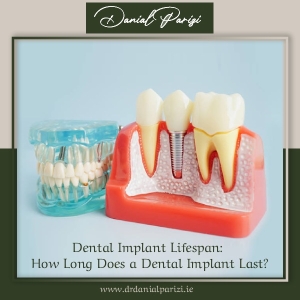
Dental implants are designed as a long-term solution for missing teeth. Clinical research consistently demonstrates that modern dental implants have survival rates exceeding 95% after 10 years, with many remaining fully functional for 20 years or longer. In many cases, the implant fixture—the titanium post placed within the jawbone—can last a lifetime. However, it is important to distinguish between the implant itself and the restoration attached to it.
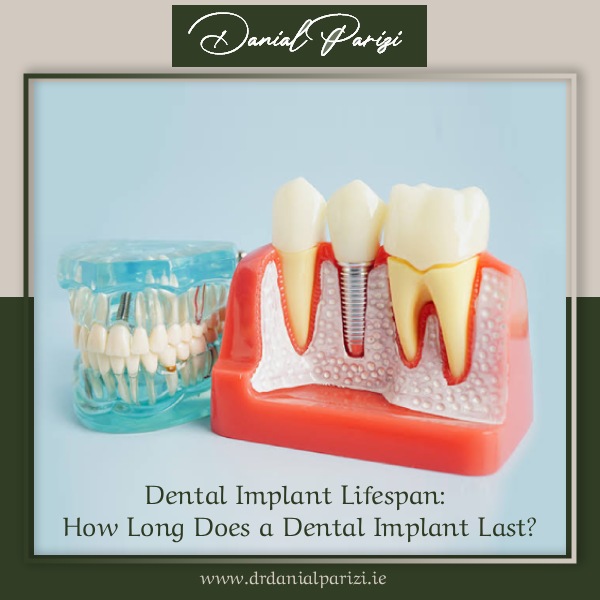
A complete dental implant consists of three components:
- The implant fixture, which replaces the tooth root.
- The abutment, which connects the implant to the restoration.
- The dental crown, which replaces the visible portion of the tooth.
Among these components, the implant fixture generally has the longest lifespan. The crown, which is exposed to daily chewing forces, may eventually require replacement due to normal wear, usually after 10 to 15 years, although many crowns last considerably longer with proper care. Understanding this distinction helps patients develop realistic expectations regarding long-term maintenance.
Why Do Dental Implants Last So Long?
The remarkable longevity of dental implants is largely due to a biological process called osseointegration. After placement, the titanium implant gradually fuses with the surrounding jawbone. Rather than simply resting in the bone, it becomes biologically integrated, creating a stable foundation that closely resembles the function of a natural tooth root.
This integration provides several important advantages:
- Exceptional stability
- Resistance to movement
- Efficient distribution of chewing forces
- Preservation of jawbone density
- Long-term functional support
Unlike removable dentures, which rest on the gums, dental implants become part of the oral structure. This biological connection explains why their lifespan significantly exceeds that of many alternative tooth replacement options.
Factors That Affect Dental Implant Lifespan
Although implants are highly durable, several factors determine how long they remain successful.
Oral Hygiene
Excellent oral hygiene is one of the strongest predictors of long-term implant success. Although titanium implants cannot develop cavities, the surrounding gum tissue and supporting bone remain vulnerable to bacterial infection. Poor oral hygiene may lead to peri-implant disease, an inflammatory condition that can eventually compromise implant stability.
Patients should:
- Brush twice daily.
- Floss around implants every day.
- Use interdental brushes if recommended.
- Attend regular professional cleanings.
Consistent plaque control protects the tissues supporting the implant and significantly extends its lifespan.
Smoking
Smoking is one of the most significant risk factors for implant complications. Tobacco reduces blood circulation to the gums, delays healing, and increases the likelihood of peri-implantitis and implant failure.
Research consistently shows that smokers experience lower implant success rates than non-smokers. Reducing or quitting smoking before and after implant surgery can dramatically improve long-term outcomes.
Bone Quality and Quantity
A dental implant relies on healthy jawbone for support. Patients with adequate bone volume generally experience better long-term success than those with severe bone loss. Fortunately, procedures such as bone grafting have expanded treatment possibilities for individuals with insufficient bone.
Healthy bone provides the stable foundation necessary for a long dental implant lifespan.
Overall Health
Certain medical conditions may influence implant success. Examples include poorly controlled diabetes, osteoporosis, autoimmune disorders, and conditions affecting healing. Most of these conditions do not automatically prevent implant treatment, but they require careful planning and medical management.
Teeth Grinding (Bruxism)
Patients who clench or grind their teeth place excessive force on implants and restorations. Over time, these forces may contribute to crown fractures, abutment loosening, implant overload, and wear of surrounding teeth. A custom night guard is often recommended for patients diagnosed with bruxism.
Can a Dental Implant Last a Lifetime?
The answer is often yes, but with an important qualification.
The implant fixture itself can last a lifetime if it integrates successfully with the jawbone, the surrounding tissues remain healthy, and the patient maintains excellent oral hygiene with regular dental maintenance.
However, the crown attached to the implant is subject to years of chewing forces and may eventually require replacement due to wear or cosmetic changes. Patients should view implant treatment as a long-term investment that requires periodic maintenance rather than a one-time procedure requiring no follow-up care.
How to Extend the Lifespan of Dental Implants
Patients have considerable influence over the longevity of their implants.
- Brush thoroughly twice daily.
- Floss every day.
- Attend routine dental examinations.
- Schedule professional cleanings.
- Avoid smoking.
- Wear a night guard if you grind your teeth.
- Avoid using teeth as tools.
- Limit chewing extremely hard objects such as ice or hard candies.
These simple preventive measures help protect both the implant and the surrounding oral tissues.
Signs That an Implant May Need Attention
Patients should contact their dentist if they notice persistent pain, swollen gums, bleeding around the implant, bad taste or discharge, implant mobility, loose crown, or difficulty chewing.
Early diagnosis allows many implant-related issues to be managed before they become serious. Routine dental visits remain the best strategy for preserving implant health.
The Importance of Regular Dental Checkups
Professional monitoring plays a crucial role in maintaining dental implant lifespan. During routine visits, dentists evaluate gum health, bone stability, crown condition, bite alignment, and oral hygiene effectiveness.
Professional cleanings remove plaque and tartar from areas that are difficult to access with home care alone. Most patients benefit from dental examinations every six months, although some individuals may require more frequent follow-up.
Dental Implant Lifespan FAQ
How long does a dental implant last?
The implant fixture can often last a lifetime, while the dental crown typically lasts between 10 and 15 years or longer with proper care.
Can dental implants last forever?
Many dental implants remain functional for decades and may last a lifetime if they are well maintained.
What is the biggest cause of dental implant failure?
Poor oral hygiene leading to peri-implant disease is one of the most common causes of long-term implant failure.
Does smoking shorten dental implant lifespan?
Yes. Smoking impairs healing and increases complications.
Can dental implants fall out?
A properly integrated implant should not become loose and must be evaluated if mobility occurs.
How often should dental implants be checked?
Most patients should have them examined every six months.
Is a dental implant worth the investment?
Yes. Dental implants are widely considered one of the most durable and predictable solutions for missing teeth.