
Dental implants have become the preferred solution for replacing missing teeth because they closely replicate the function and appearance of natural teeth. However, successful implant treatment depends on one critical factor: having enough healthy jawbone to support the implant. Unfortunately, not every patient has sufficient bone volume due to tooth loss, gum disease, injury, or natural bone resorption. In these situations, a bone graft for dental implant treatment may be recommended.
Many patients are concerned when they hear they need a bone graft before receiving a dental implant. They often assume it is a complex or risky procedure that significantly delays treatment. In reality, bone grafting is a well-established, predictable technique that has helped millions of patients become suitable candidates for dental implants. Rather than being an obstacle, a bone graft is often the key to creating a stable foundation for long-term implant success.
Modern bone grafting techniques allow dentists and oral surgeons to rebuild lost bone, improve implant stability, and restore facial structure. Understanding why a bone graft may be necessary, how the procedure works, and what to expect during recovery can help patients approach treatment with confidence.
This guide explains everything you need to know about bone graft for dental implant, including when it is needed, the different grafting materials available, the procedure, recovery, benefits, risks, and frequently asked questions.
What Is a Bone Graft for Dental Implant?
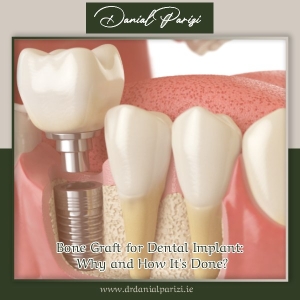
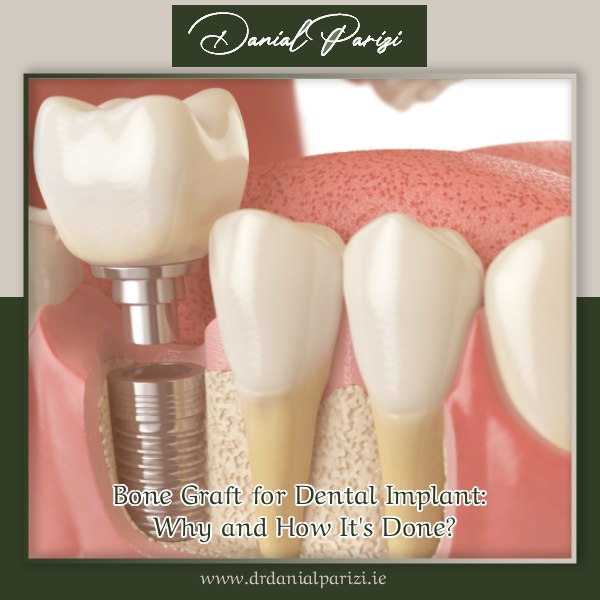
A bone graft for dental implant is a surgical procedure that rebuilds or increases the volume of jawbone in areas where bone has been lost. The graft serves as a scaffold that encourages the body to produce new bone tissue over time.
Once healing is complete, the newly formed bone provides a strong and stable foundation capable of supporting a dental implant.
Bone grafting is commonly performed before implant placement, but in certain cases it may be completed at the same time as implant surgery, depending on the amount of available bone and the overall treatment plan.
The ultimate goal is to ensure that the implant is surrounded by sufficient healthy bone to achieve long-term stability through osseointegration.
Why Is a Bone Graft Needed Before Dental Implants?
A dental implant functions like an artificial tooth root and relies on direct contact with healthy jawbone. Without adequate bone, the implant cannot achieve the stability required for successful healing.
Bone loss commonly occurs after a tooth has been missing for an extended period. Once a tooth is lost, the jawbone no longer receives the stimulation generated during chewing. As a result, the body gradually begins to resorb the unused bone.
Other common reasons patients require bone grafting include:
- Advanced periodontal (gum) disease
- Tooth extraction performed years earlier
- Facial trauma
- Congenital bone deficiencies
- Infection
- Previous failed dental implants
In many cases, patients are surprised to learn they have experienced significant bone loss because the process often occurs gradually without noticeable symptoms.
How Is Bone Loss Diagnosed?
Before recommending implant treatment, the dentist performs a comprehensive evaluation of the jawbone.
Diagnostic assessment typically includes:
- Clinical examination
- Digital dental X-rays
- Cone Beam Computed Tomography (CBCT)
- Medical history review
- Bite analysis
Three-dimensional CBCT imaging provides highly detailed information regarding:
- Bone height
- Bone width
- Bone density
- Anatomical structures
- Implant positioning
These images allow clinicians to determine whether a bone graft is necessary and to develop an individualized treatment plan.
Types of Bone Graft Materials
One of the most common questions patients ask concerns the source of the grafting material. Several options are available, each with specific advantages.
Autograft
An autograft uses bone taken from another area of the patient’s own body. Common donor sites include:
- Chin
- Jaw
- Hip (less commonly)
Advantages include:
- Excellent compatibility
- High success rate
- No risk of immune rejection
The primary disadvantage is the need for a second surgical site.
Allograft
An allograft uses donated human bone that has been carefully processed and sterilized. Benefits include:
- No second surgical site
- Excellent clinical outcomes
- Widely used in implant dentistry
Modern processing techniques ensure safety while preserving the material’s ability to support bone regeneration.
Xenograft
A xenograft is typically derived from bovine (cow) bone that has been specially processed for medical use.
Its structure closely resembles human bone and provides an effective scaffold for new bone growth.
Synthetic Bone Graft
Synthetic graft materials are manufactured from biocompatible substances such as calcium phosphate or bioactive ceramics.
Advantages include:
- No human or animal donor tissue
- Excellent safety profile
- Predictable healing
- Wide availability
The most appropriate graft material depends on the individual patient’s clinical situation.
Bone Graft Procedure for Dental Implant
Initial Preparation
The treatment area is thoroughly examined and numbed using local anesthesia. Sedation options may also be available for anxious patients or more complex procedures.
Site Preparation
The dentist gently exposes the area where additional bone is needed. Any unhealthy tissue is removed to create an ideal healing environment.
Placement of the Bone Graft
The graft material is carefully positioned within the area of bone deficiency.
In some cases, a protective membrane is placed over the graft to stabilize the material and encourage bone regeneration.
Wound Closure
The gum tissue is repositioned and secured with sutures.
The healing process begins immediately after surgery.
How Long Does Bone Graft Healing Take?
Bone regeneration requires time.
Although soft tissue healing often occurs within a few weeks, the newly placed graft must gradually integrate with the patient’s natural bone before implant placement.
Healing time depends on several factors, including:
- Size of the graft
- Type of graft material
- Patient’s overall health
- Smoking status
- Bone quality
In many cases, healing takes approximately three to six months.
Larger or more complex grafts may require additional healing time.
Your dentist monitors progress with periodic examinations and imaging before determining when implant placement can safely proceed.
Recovery After Bone Graft Surgery
Recovery is generally well tolerated.
Patients commonly experience:
- Mild swelling
- Minor bruising
- Temporary discomfort
- Slight bleeding during the first day
These symptoms usually improve within several days.
To support healing, patients are often advised to:
- Take prescribed medications
- Apply cold compresses during the first 24 hours
- Eat soft foods
- Avoid smoking
- Avoid strenuous exercise temporarily
- Maintain excellent oral hygiene
- Attend follow-up appointments
Following postoperative instructions significantly improves healing outcomes.
Success Rate of Bone Grafts
Bone grafting has become one of the most predictable procedures in modern implant dentistry.
When properly planned and performed, success rates are very high.
Successful outcomes depend on several factors:
- Good surgical technique
- Patient health
- Adequate oral hygiene
- Smoking cessation
- Proper healing time
Most patients who require bone grafting ultimately become excellent candidates for dental implants.
Risks and Possible Complications
Although complications are uncommon, every surgical procedure carries some degree of risk.
Potential complications include:
- Infection
- Swelling
- Bleeding
- Delayed healing
- Graft failure
- Membrane exposure
- Temporary discomfort
Fortunately, these complications are relatively uncommon and can often be managed successfully when detected early.
Careful adherence to postoperative instructions helps minimize risk.
Benefits of Bone Graft for Dental Implant
- Improved implant stability
- Better long-term implant success
- Preservation of facial structure
- Restoration of bone volume
- Improved chewing function
- Enhanced aesthetic outcomes
- Increased treatment options
Rather than viewing bone grafting as an additional procedure, many clinicians consider it an investment in the long-term success of implant therapy.
Can Bone Grafting Be Avoided?
Some patients hope to avoid bone grafting altogether.
Whether this is possible depends on the amount of remaining bone.
Alternative approaches may include:
- Short dental implants
- Angled implants
- Zygomatic implants (for selected upper jaw cases)
- Immediate implant placement after extraction
However, these techniques are not appropriate for every patient.
Your dentist will recommend the treatment option that provides the greatest likelihood of long-term success.
Bone Graft for Dental Implant FAQ
What is a bone graft for dental implant?
A bone graft is a surgical procedure used to rebuild jawbone that has been lost, creating sufficient support for a future dental implant.
Why do I need a bone graft before getting dental implants?
If there is insufficient bone to securely support an implant, bone grafting helps restore the necessary volume and density for successful treatment.
Is bone graft surgery painful?
The procedure is performed under local anesthesia, so patients typically feel little or no pain during surgery. Mild discomfort afterward is common and usually manageable with medication.
How long does a bone graft take to heal?
Most bone grafts require approximately three to six months to heal before dental implant placement, although healing times vary.
Can bone grafting and implant placement be done at the same time?
In certain cases, yes. If enough healthy bone is available to stabilize the implant, simultaneous grafting and implant placement may be possible.
What happens if I do not get a bone graft?
If insufficient bone is present, placing an implant without grafting may significantly increase the risk of implant failure.
Is a bone graft safe?
Yes. Bone grafting is a well-established procedure with high success rates when performed by experienced dental professionals.
Can smokers have bone graft surgery?
Smoking increases the risk of complications and delayed healing. Patients are strongly encouraged to stop smoking before and after treatment.
Will my body reject the bone graft?
Rejection is extremely uncommon. Modern graft materials are carefully processed and highly biocompatible.
Is a bone graft worth it?
For patients with inadequate jawbone, bone grafting is often the best way to create a stable foundation that allows dental implants to function successfully for many years.