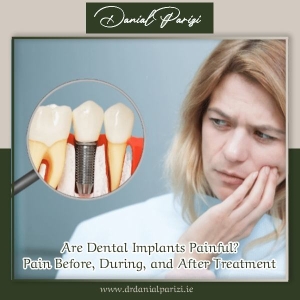

One of the biggest concerns people have before replacing a missing tooth is whether the procedure will hurt. In fact, dental implants pain is among the most frequently searched topics by patients considering implant treatment. Many people imagine implant surgery to be a painful and complicated procedure because it involves placing a titanium post into the jawbone. However, the reality is often very different from what patients expect. Advances in modern dentistry, surgical techniques, local anesthesia, and pain management have made dental implant surgery a highly predictable and comfortable procedure. In fact, many patients report that receiving a dental implant is less uncomfortable than having a tooth extracted. While some soreness and swelling are normal after surgery, severe pain is uncommon and usually temporary.
Understanding what level of discomfort is normal, how pain is managed, and when discomfort may indicate, a problem can help reduce anxiety and prepare patients for a smoother recovery. Most importantly, knowing what to expect allows patients to approach treatment with confidence rather than fear. This guide explains everything you need to know about dental implants pain, including discomfort during surgery, recovery, pain management, possible complications, and answers to the most frequently asked questions.
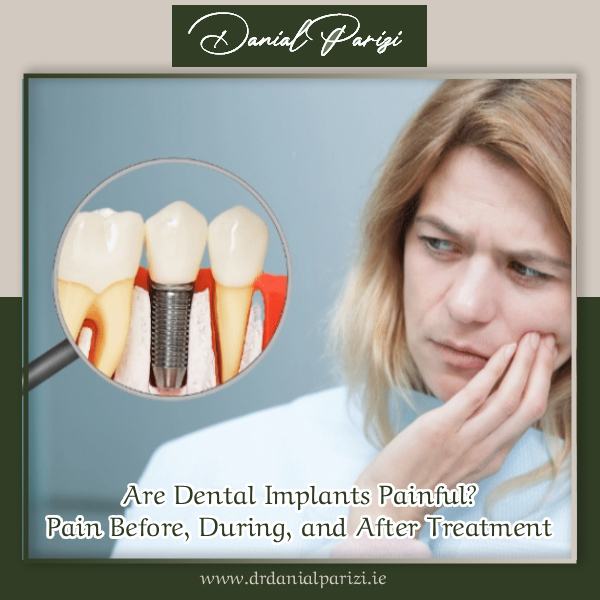
What Causes Dental Implants Pain?
Dental implant surgery involves placing an artificial tooth root into the jawbone. Although this sounds invasive, the procedure is carefully planned and performed under local anesthesia, meaning patients should not feel pain during the surgery itself.
Most discomfort associated with dental implants comes from the body’s natural healing response after the procedure rather than from the implant placement.
Temporary pain may result from:
- Surgical manipulation of the gum tissue
- Minor inflammation
- Swelling
- Pressure around the implant site
- Healing of the surrounding bone
These responses are normal and usually improve significantly within a few days.
Understanding that healing discomfort is different from surgical pain helps patients develop realistic expectations.
Are Dental Implants Painful During Surgery?
One of the strongest arguments against fearing implant treatment is that modern anesthesia effectively eliminates pain during the procedure.
Before surgery begins, the dentist administers local anesthesia to completely numb the treatment area.
During implant placement, patients may notice:
- Gentle pressure
- Mild vibrations
- Sounds from dental instruments
However, they should not experience sharp pain.
For patients with dental anxiety, additional comfort options may include:
- Oral sedation
- Nitrous oxide (laughing gas)
- Intravenous (IV) sedation
These techniques help create a more relaxed and comfortable experience throughout treatment.
Many patients are surprised by how straightforward the procedure feels.
Is Dental Implant Surgery More Painful Than Tooth Extraction?
Patients often compare implant surgery to tooth extraction.
Interestingly, many individuals who have experienced both procedures report that implant placement is actually more comfortable than extraction.
There are several reasons for this:
- Implant surgery is carefully planned.
- Healthy bone is prepared with precision.
- Less force is typically required.
- Modern surgical techniques minimize tissue trauma.
Tooth extractions, particularly difficult ones, often involve removing damaged teeth and may create more postoperative discomfort than implant placement.
Although every patient is different, most describe implant recovery as manageable with standard pain relief measures.
How Much Pain Is Normal After Dental Implant Surgery?
Some discomfort after surgery is expected because the tissues require time to heal.
Common postoperative symptoms include:
- Mild to moderate soreness
- Swelling
- Minor bruising
- Tender gums
- Slight bleeding during the first day
Pain is usually greatest during the first 24 to 48 hours before gradually improving.
For most patients:
- Day 1: Mild discomfort and swelling
- Days 2–3: Symptoms begin to improve
- Days 4–7: Significant reduction in soreness
- After one week: Most patients feel considerably better
Individual healing times vary depending on the complexity of the procedure and overall health.
How Long Does Dental Implants Pain Last?
Recovery is different for every patient, but most discomfort is temporary.
Typical healing timeline:
First 24 Hours
- Mild soreness
- Swelling begins
- Minor bleeding
Days 2–3
- Swelling reaches its peak
- Pain gradually decreases
Days 4–7
- Most discomfort resolves
- Normal daily activities become easier
After One Week
Many patients experience little or no pain.
Although the gums heal relatively quickly, the implant continues integrating with the jawbone over several months through osseointegration.
This deeper healing process usually occurs without noticeable pain.
Factors That Influence Dental Implants Pain
Not every patient experiences the same level of discomfort.
Several factors can influence recovery.
Number of Implants
Receiving multiple implants during one appointment may lead to slightly greater postoperative soreness.
Bone Grafting
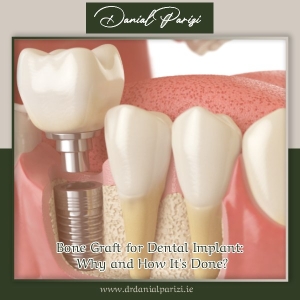
If bone grafting is performed alongside implant placement, healing may involve additional swelling and tenderness.
Surgical Complexity
More extensive procedures generally require a longer recovery period.
Individual Pain Tolerance
Pain perception varies considerably from person to person.
Smoking
Smoking slows healing and increases the likelihood of postoperative discomfort and complications.
Overall Health
Patients with good general health often recover more quickly than those with certain systemic conditions.
How to Manage Dental Implants Pain
Most postoperative discomfort can be controlled with simple measures. Your dentist may recommend:
- Prescription or over-the-counter pain medication
- Cold compresses during the first 24 hours
- Soft foods
- Adequate hydration
- Rest
- Good oral hygiene
- Taking medications exactly as prescribed
Applying an ice pack intermittently during the first day helps reduce swelling and discomfort. Patients should also avoid strenuous exercise during the initial recovery period.
Foods That Help Reduce Discomfort
Diet plays an important role during recovery. Soft foods reduce pressure on the surgical site while providing nutrients needed for healing. Recommended foods include:
- Yogurt
- Mashed potatoes
- Smoothies (without a straw)
- Scrambled eggs
- Oatmeal
- Cottage cheese
- Soft fish
- Soup (lukewarm)
Foods to avoid include:
- Hard nuts
- Popcorn
- Chips
- Sticky candy
- Ice
- Crusty bread
- Extremely hot foods
Following dietary recommendations supports faster healing while minimizing unnecessary discomfort.
When Is Dental Implant Pain Not Normal?
Although mild pain is expected, severe or persistent discomfort should never be ignored.
Patients should contact their dentist if they experience:
- Severe pain after several days
- Increasing swelling instead of improvement
- Fever
- Pus or discharge
- Persistent bleeding
- Implant mobility
- Difficulty swallowing
- Numbness lasting longer than expected
These symptoms may indicate infection or another complication requiring prompt evaluation. Early treatment often prevents more serious problems.
Can Dental Implants Hurt Years Later?
An implant that has healed successfully should not become painful without an underlying reason. Pain developing months or years later may result from:
- Peri-implantitis
- Gum infection
- Crown problems
- Bite imbalance
- Teeth grinding
- Implant overload
Regular dental examinations help identify these issues before they become severe. Patients should never ignore new pain around an implant, regardless of how long ago it was placed.
Tips for a Comfortable Recovery
Most patients experience a smooth recovery by following professional instructions. Helpful recommendations include:
- Take medications as directed.
- Use cold compresses during the first day.
- Eat soft foods.
- Stay hydrated.
- Avoid smoking.
- Avoid alcohol while healing.
- Brush carefully around the surgical site.
- Attend all follow-up appointments.
- Avoid touching the implant area unnecessarily.
These simple habits reduce discomfort and promote successful healing.
Dental Implants Pain FAQ
Are dental implants painful?
No. Dental implant surgery is performed under local anesthesia, so patients should not feel pain during the procedure. Mild discomfort afterward is normal and temporary.
Is getting a dental implant more painful than having a tooth pulled?
Many patients report that implant surgery is actually less uncomfortable than tooth extraction because the procedure is carefully planned and minimally traumatic.
How long does dental implant pain last?
Most discomfort improves significantly within three to seven days, although complete bone healing continues for several months.
What is the most painful part of dental implant treatment?
For most patients, the first 24 to 48 hours after surgery involve the greatest discomfort due to normal swelling and inflammation.
Can I go to work after dental implant surgery?
Many patients return to work within one or two days, depending on the complexity of the procedure and the nature of their job.
Is swelling normal after dental implants?
Yes. Mild to moderate swelling is a normal part of healing and usually peaks within the first two to three days.
Can dental implants hurt years later?
They should not. Pain developing long after treatment may indicate infection, gum disease, or another issue that requires professional evaluation.
How can I reduce dental implant pain?
Following your dentist’s instructions, taking prescribed medication, using cold compresses, eating soft foods, and maintaining good oral hygiene all help minimize discomfort.
When should I call my dentist about implant pain?
You should contact your dentist if pain becomes severe, worsens after several days, or is accompanied by fever, excessive swelling, pus, or implant mobility.
Is dental implant surgery worth it despite the temporary discomfort?
For most patients, yes. The short recovery period is generally outweighed by the long-term benefits of improved chewing ability, oral health, comfort, and a natural-looking smile.